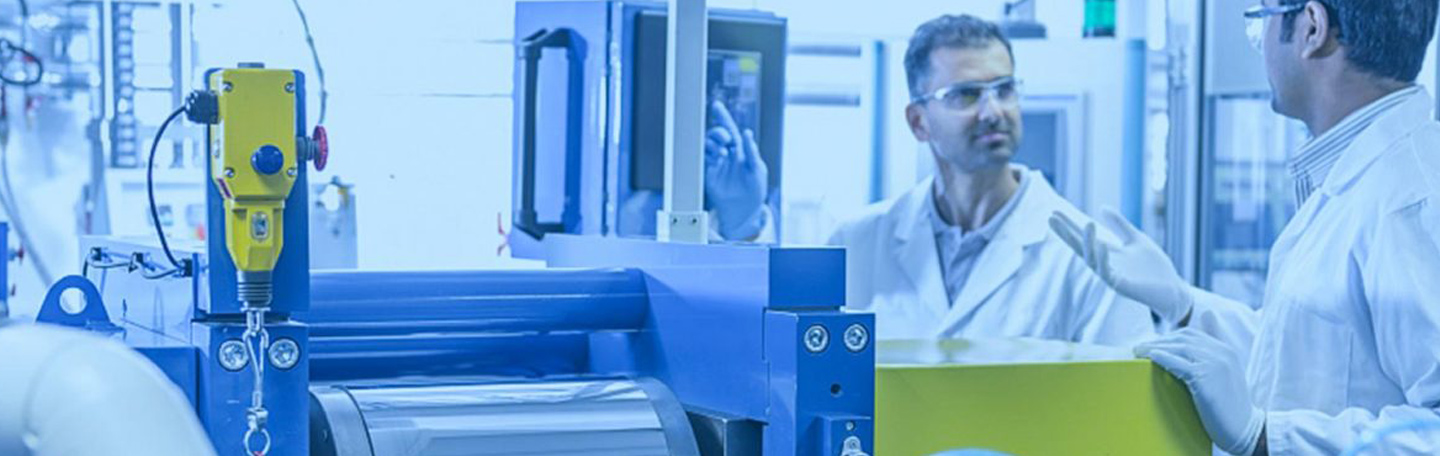
As a sales representative for BCM Aluminum with many years of experience in the North American market, I have witnessed the entire process of aluminum coils evolving from an "auxiliary material" to a core building consumable. The North American construction industry has increasingly stringent requirements for scenario adaptability, compliance, and longevity. Our aluminum coil for building material have always been application-oriented, forming a differentiated competitive advantage in core scenarios such as roofing, curtain walls, and insulation, precisely matching the diverse demands of the US, Canada, and Mexico markets.
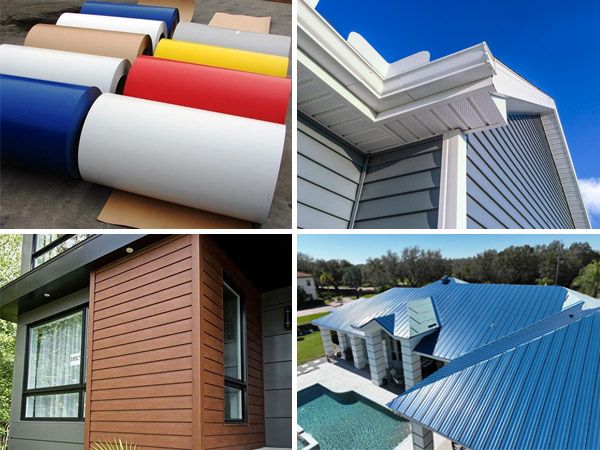
Roofing systems are a core application scenario for building aluminum coils in North America, and also a test of both weather resistance and energy efficiency. Addressing the salt spray corrosion of the east and west coasts of the US and Canada, the strong winds of the central plains, and the extreme temperature differences of Minnesota, we use 3003/3105 aluminum-manganese alloy to construct roofing aluminum coils, combined with a PVDF coating to achieve over 40 years of long-term durability. They have passed over 1000 hours of ASTM B117 salt spray testing and can withstand high coastal humidity and winter freeze-thaw cycles. Meanwhile, the "cool roof" solution, built with anodized aluminum coils, can reduce building cooling load by 15-30%, fully meeting the ASHRAE 90.1 energy efficiency standard. It has been implemented in multiple commercial buildings in Minnesota, maintaining stable performance even under temperature variations ranging from -40°C to 35°C.
The application of curtain walls and rain curtain systems emphasizes a balance between aesthetic expression and structural safety. For earthquake-prone areas like California, we use 5052 aluminum-magnesium alloy coils to create curtain wall damping panels, absorbing 35% of seismic energy and meeting the IBC 2018 seismic resistance standard, combining impact resistance with lightweight advantages. In high-end commercial buildings, we utilize a customized Kynar 500® coating process to achieve uniform curtain wall color consistency, similar to the anodized effect of the Mercedes-Benz Superdome. This not only withstands 3.5kPa wind pressure but also precisely matches the architectural design style, and is currently serving multiple commercial complex projects in Toronto.
Insulation and structural support scenarios focus on efficient construction and optimized adaptability. In residential projects in humid regions like Vancouver, our 25-75μm aluminum foil composite rolls are highly favored, boasting thermal resistance values from R-3 to R-17 and ICC-ES AC38 certification. They effectively block moisture penetration, solving insulation challenges in humid environments. In structural insulation panels (SIPs) applications, our 6063-T6 alloy aluminum coil skins offer compressive strengths of 150-300psi and unsupported spans up to 6 meters, reducing weight by 40% compared to traditional steel framing. This not only improves construction efficiency but also aligns with the lightweight trend of green building, making them widely used in residential communities in Mexico City.
It's worth noting that the North American market's emphasis on sustainability is deeply integrated into various application scenarios, which is one of our core strengths. Our entire series of aluminum coil for building material achieves a 95% recycling rate, with recycled energy consumption only 5% of that of virgin aluminum. This helps projects achieve LEED certification, perfectly aligning with current green building trends. From roofing to curtain walls, from insulation to structure, BCM Aluminum always starts with specific application needs, deeply integrating material optimization, standard compliance, and scenario adaptation to provide North American customers with "one-stop" aluminum coil solutions. This is the key to our foothold in the local market.