
Aluminum flashing roll is a building material, typically made of aluminum, used for waterproofing and preventing water seepage. It is usually sold in small rolls for easy installation. Aluminum roll flashing are primarily used in roofs, windows, door frames, and other building joints to ensure water does not seep into the building's interior through these joints.
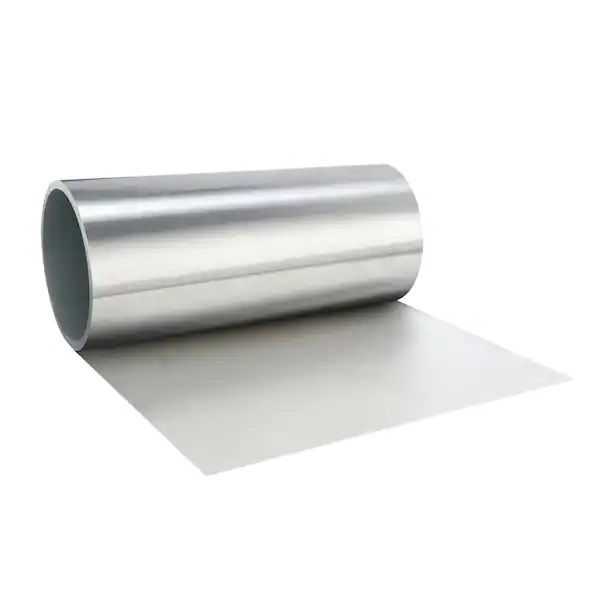
Types of aluminum flashing roll product:
1. By thickness:
Standard: Approximately 0.012-0.024 inches (0.3-0.6 mm) thick, suitable for general waterproofing needs.
Thickened: Thickness up to 0.04 inches (1 mm) and above, providing higher strength and durability, often used in high-load areas.
2. By surface finish:
Mill finish: Naturally oxidized surface, lower cost, suitable for indoor or dry environments.
Painted: Available in various colors (such as brown, black, white), combining aesthetics and corrosion protection, suitable for exposed areas.
Typical specification of aluminum flashing coil:
Alloy: 1060, 3003, 3004, 3105, 5052
Temper: O, H14, H18, H24, H26
Width: 6 inches (15 cm) to 24 inches (60 cm), accommodating different joint widths.
Length: 10 feet (3 meters) to 50 feet (15 meters), reducing splicing and improving construction efficiency.
Representative Products:
10-inch x 10-foot royal brown flashing roll: Pre-painted design, suitable for roof gutters.
24-inch x 10-foot uncoated aluminum flashing roll: An economical option for sidewall sealing.
Characteristics of aluminum flashing roll:
- Corrosion resistance:
Aluminum flashing rolls use aluminum alloy as the base material, and the surface is usually anodized or coated for protection, providing excellent rust resistance, especially suitable for humid or rainy environments. For example, some aluminum coil products use a mill finish (uncoated) or pre-painted treatment to further enhance weather resistance.
- Lightweight and easy to process:
Aluminum has a low density, making the rolls lightweight and easy to handle and install. At the same time, aluminum's ductility allows it to be easily bent and cut to adapt to different joint shapes, such as complex areas like roof gutters and chimney perimeters.
- High durability:
High-quality aluminum flashing rolls have a lifespan of over 20 years. They are resistant to aging and cracking even after long-term outdoor exposure, reducing maintenance costs.
Application scenarios of aluminum roll flashing:
1. Roof waterproofing
Valley: Covers the junction of roof slopes, guiding rainwater to the drainage system and preventing leaks.
Ridge: Seals the highest point of the roof, preventing rainwater from seeping in through gaps.
Chimney and Vent Areas: Wraps the joints between protrusions and the roof, forming a waterproof barrier.
2. Wall sealing
Door and window frame areas: Fills gaps between walls and doors/windows, preventing rainwater from seeping into the interior.
Side and end wall connections: Enhances the seal between building structures, preventing wind-driven rain intrusion.
3. Other scenarios
Basic waterproofing: Used at the junction of the building foundation and the ground to prevent groundwater rise and dampness.
Temporary waterproofing: Used as a temporary waterproofing layer during construction to protect unfinished structures.