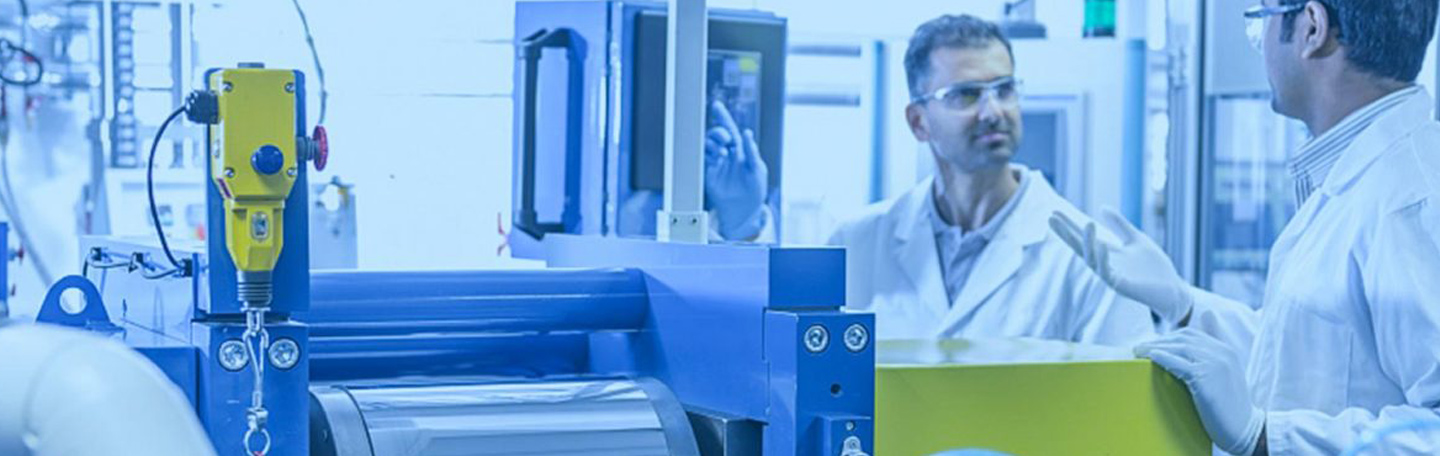
Anodized aluminum coils are produced through an electrolytic oxidation process that creates a dense aluminum oxide layer on the metal surface. Combining a premium metallic aesthetic with high hardness and long-term weather resistance, this surface treatment is a preferred choice for high-end architectural decoration and functional components in North America. As an aluminum supplier, BCM Aluminum utilizes a continuous coil-anodizing production line, products comply with ASTM B580 and AAMA 611 standards, offering a variety of alloys and coating thicknesses to serve clients in sectors such as architectural curtain walls, high-end interior finishes, and transportation infrastructure.
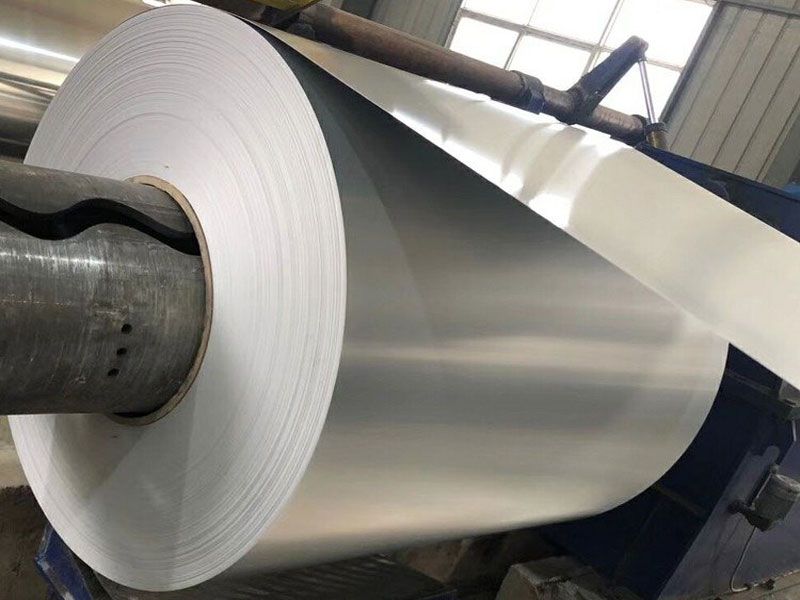
In accordance with common North American standards, anodized coatings are categorized into two primary architectural grades based on thickness. Class II coatings have a thickness of ≥10μm (corresponding to ASTM B580 Type C) and are suitable for interior decoration and mild outdoor environments, providing essential wear and corrosion resistance. Class I coatings have a thickness of ≥18μm (corresponding to ASTM B580 Type B) and meet the high-performance architectural requirements of AAMA 611. These coatings can withstand 3,000 hours of neutral salt spray testing, making them well-suited for long-term outdoor service.
The coating process utilizes a sulfuric acid-based electrolyte, followed by a high-temperature sealing treatment that closes the pores, further enhancing resistance to staining and corrosion. Based on industry practice, facade projects in North American coastal cities typically require a Class I coating thickness. For interior components in inland areas with low corrosion risk, a Class II coating offers an optimal balance between performance and cost; unnecessarily increasing the coating thickness would raise material costs by approximately 15%–25%.
In terms of surface hardness, an anodic oxide film can reach a Vickers hardness (HV) of 300–500—roughly 3 to 5 times that of the base aluminum coil—providing significantly better scratch and wear resistance than painted aluminum coils. Regarding weather resistance, Class I products exhibit a color difference (ΔE) of ≤3.0 after 3,000 hours of accelerated aging in a xenon-arc test; the metallic aesthetic remains stable and durable, with high resistance to chalking and fading.
Available colors primarily include natural silver, bronze, champagne, and black. With a color consistency of ΔE ≤2.0 within the same batch, the material ensures a uniform visual appearance across large-scale installations. Because the oxide layer is metallurgically bonded to the aluminum substrate, it offers superior adhesion compared to organic coatings, posing no risk of delamination during bending or stamping. It can withstand a 2T bend test without cracking, making it well-suited for roll-forming and complex bending processes.
BCM's anodized aluminum coils are available in three primary alloy grades.
1060 pure aluminum yields a uniform, pure color and a strong metallic finish, making it ideal for interior decorative panels and signage.
3003 aluminum-manganese alloy offers excellent corrosion resistance and stable performance post-anodization, serving as a standard substrate for architectural facades and roof flashing.
5052 aluminum-magnesium alloy provides higher strength and exceptional resistance to salt-spray corrosion, making it suitable for coastal architecture and outdoor transportation infrastructure.
The products are primarily available in H14 and H24 tempers, with standard thicknesses ranging from 0.4 mm to 2.0 mm. Widths can be custom-slit between 100 mm and 1500 mm. The thickness tolerance is ±0.02 mm, and the surface flatness is ≤2 mm/m. The standard coil inner diameter is 508 mm, making the material compatible with mainstream North American roll-forming and fabrication production lines. A PE protective film can be applied to the surface to prevent scratches during processing and transportation.
Architectural curtain walls and exterior facade cladding are the primary application areas. For a commercial complex project in Toronto, Canada, 0.9 mm-thick 3003-H24 Class I bronze-anodized aluminum coils from BCM were used to fabricate unitized curtain wall panels. Three years after installation, the finish remains uniform, with no visible corrosion or wear. In high-end interior fit-outs, natural-finish anodized aluminum coils are frequently used for elevator cabs, wall trim, and ceiling systems; their refined metallic texture makes them an ideal choice for premium commercial spaces and office buildings.
In the transportation sector, 3003-alloy Class I anodized aluminum coil is commonly used for station platform cladding, noise barriers, and municipal signage, as it offers excellent resistance to outdoor weathering and is easy to clean and maintain. From a lifecycle perspective, anodized finishes are more cost-effective than standard powder coatings; they require no recoating for 15–20 years of outdoor use, making them well-suited for public infrastructure projects where long-term operational and maintenance costs are a key consideration.
BCM maintains a regular inventory of anodized aluminum coils and offers customization options for anodic film thickness, color, and alloy substrate. Standard specifications can be delivered within 10–15 days. Each shipment includes test reports covering film thickness, salt-spray resistance, and color consistency, ensuring compliance with North American construction project acceptance standards. For project selection and pricing, please provide the required alloy, thickness, film thickness grade, and procurement volume; our technical team will respond with a proposal within 24 hours.