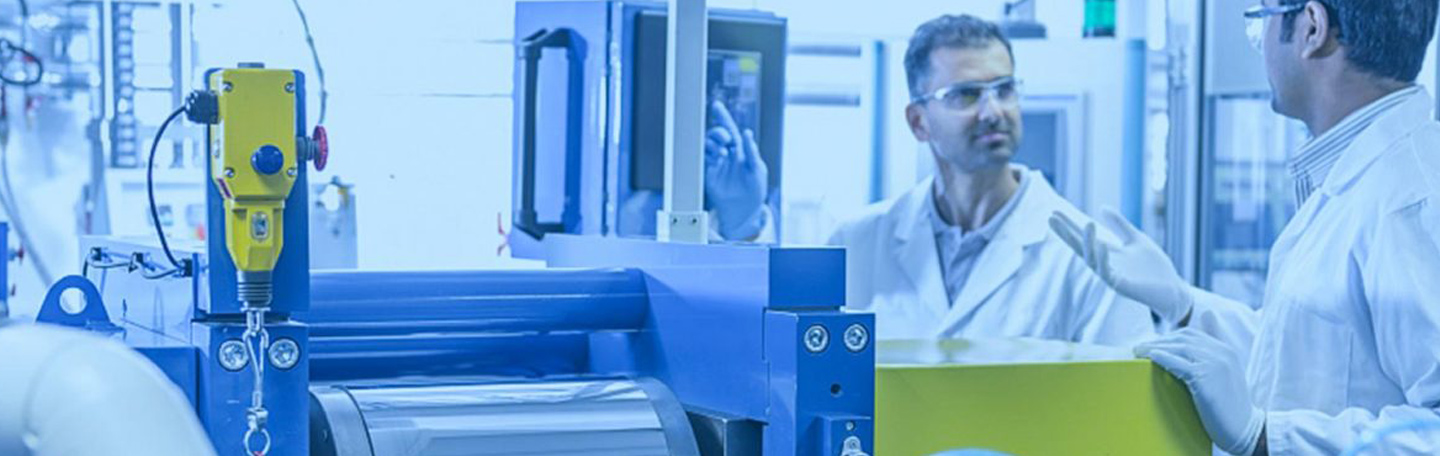
Bare aluminum coils refer to aluminum materials that have not undergone surface treatment or coating, and are commonly used in various industrial and construction applications. These uncoated aluminum coils offer good corrosion resistance, light weight, and excellent formability. Due to the lack of coating, the surface of bare aluminum coils may be more prone to oxidation, but the naturally formed alumina layer provides a degree of protection. Users can choose subsequent surface treatment processes, such as anodizing or coating, to improve their corrosion resistance and aesthetics.
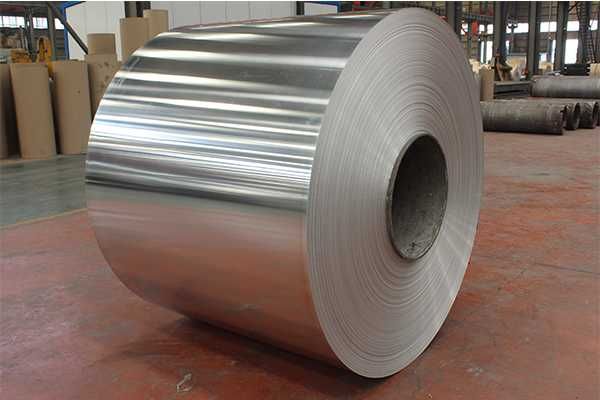
Bare aluminum coils are rolled from pure aluminum or aluminum alloys (such as 1050, 1060, 3003, etc.), the surface is untreated (e.g., painted, coated, oxidized, etc.), exhibiting its original metallic color (silver-white or light gray). A slight oxide layer or rolling marks may be present on the surface, but no functional coating is applied.
Physical properties of bare aluminum coil:
- Thermal conductivity:
Aluminum has a high thermal conductivity (approximately 237 W/m·K), suitable for heat dissipation and heat exchange applications.
- Electrical conductivity:
Good electrical conductivity, suitable for electrical connections or electromagnetic shielding.
- Corrosion resistance:
Pure aluminum readily forms a dense oxide film (Al₂O₃) on its surface, but requires additional protection when exposed to humid or corrosive environments (such as salt spray, acids, and alkalis) for extended periods.
- Processing performance:
It can be further processed through stamping, stretching, bending, and welding, but the lack of a coating may increase processing difficulty (e.g., a higher coefficient of friction).
Main applications of bare aluminum coil:
1. Industrial manufacturing
- Heat radiators/heat exchangers:Utilizing high thermal conductivity, used in air conditioners, automotive radiators, and heat dissipation modules for electronic devices.
- Container manufacturing: Used to manufacture food-grade aluminum cans and pressure vessels (must meet relevant standards, such as non-toxicity and harmlessness requirements).
- Structural components: Serving as a lightweight structural material in construction, machinery, and shipbuilding.
2. Packaging
- Aluminum foil rolls: Further slit into aluminum foil for food packaging, pharmaceutical packaging, cigarette packaging, etc. (must meet hygiene standards).
- Bottle caps/sealing materials: Used to manufacture beverage bottle caps, cosmetic bottle caps, etc.
3. Electronic and electrical applications
- Electromagnetic shielding: Used for electronic device housings to reduce electromagnetic interference.
- Conductive connections: Used to manufacture battery tabs, circuit board substrates, etc.
4. Other applications
- Reflective materials: Utilizing metallic luster, used in lighting, billboards, etc.
- Crafts/decorations: After polishing or brushing, used for decorative moldings, lamps, etc.
Compared to coated aluminum coils, uncoated aluminum coils differ significantly in performance, applications, and cost. A detailed comparison can be made from the following perspectives:
1. Surface treatment and protection Mechanisms
- Uncoated aluminum coils: The surface relies on the naturally formed oxide film (Al₂O₃) of aluminum for basic protection. While this oxide film can isolate some oxygen and moisture, it is easily damaged in humid, salt spray, or acidic/alkaline environments, leading to increased corrosion risk. Long-term exposure requires additional protection (such as sealed packaging or regular maintenance).
- Coated aluminum coils: Form an active protective layer by spraying coatings such as polyester, fluorocarbon, and epoxy resin. The coating can isolate corrosive media, significantly improving chemical resistance, making it particularly suitable for outdoor or harsh environments (such as building curtain walls and marine equipment).
2. Differences in corrosion resistance
- Uncoated aluminum coils: Corrosion resistance is greatly affected by the environment. For example, in coastal areas, salt spray accelerates the destruction of the oxide film, leading to pitting or uniform corrosion; in industrial atmospheres, acid and alkaline gases may trigger chemical corrosion.
- Coated aluminum coils: The coating effectively blocks corrosive substances such as salt spray and acid rain, and their corrosion resistance life is typically 2-5 times that of uncoated aluminum coils. For example, fluorocarbon coated aluminum coils can remain unfaded and unpeeled for over 20 years in outdoor use.
3. Appearance and decorative features
- Uncoated aluminum coils: The surface is the original metallic color (silver-white or light gray), requiring subsequent treatments such as polishing, brushing, or anodizing to improve their aesthetics. If used directly, the appearance is monotonous and lacks decorative appeal.
- Coated aluminum coils: The coating allows for a rich variety of colors (such as metallic, wood grain, stone grain, etc.) and surface effects (such as high gloss, matte, pearlescent), meeting the personalized needs of fields such as construction, home appliances, and automobiles. They can be used directly without additional treatment.
4. Processing performance and cost
- Processing performance:
Uncoated aluminum coil: Higher coefficient of friction; lubricant is required during cutting and stamping to reduce tool wear; temperature control is necessary during welding to prevent oxide film damage and weld corrosion.
Coated aluminum coil: Coating may increase processing difficulty (e.g., coating peeling, tool wear), but some coatings (e.g., pre-coated aluminum coils) have optimized processing performance, enabling high-speed stamping and bending.
- Cost:
Uncoated aluminum coil: Eliminates the coating process, resulting in lower cost; suitable for scenarios with low protection requirements or requiring subsequent processing.
Coated aluminum coil: Coating materials (e.g., fluorocarbon paint) and processing costs (e.g., spraying, curing) are higher, but long-term maintenance costs are lower, potentially offering better overall cost-effectiveness.
5. Environmental protection and sustainability
- Uncoated aluminum coil: Less pollution during processing; however, if subsequent surface treatments (e.g., electroplating, painting) are required, volatile organic compounds (VOCs) or heavy metal pollution may be generated.
- Coated aluminum coils: While some coatings (such as solvent-based paints) contain VOCs, water-based and powder coatings are becoming increasingly common, improving environmental friendliness. Furthermore, coated aluminum coils extend service life, reduce material replacement frequency, and are more in line with sustainability principles from a life-cycle perspective.
6. Typical application scenarios
- Uncoated aluminum coils:
Heat dissipation: Air conditioner radiators, automotive radiators, heat exchangers for electronic devices.
Packaging: Food-grade aluminum cans, bottle caps, sealing materials (must meet hygiene standards).
Structural Components: Lightweight building structures, mechanical parts (scenarios where corrosion resistance is not critical).
- Coated aluminum coils:
Construction: Curtain walls, roofs, interior decoration (requires weather resistance and aesthetics).
Home appliances: Refrigerator and washing machine casings (requires fingerprint and scratch resistance).
Transportation: Automotive interiors, rail transit carriages (requires fire resistance and corrosion resistance).
Uncoated aluminum coils, with their low cost, high thermal conductivity, and processing flexibility, are widely used in industry, packaging, and electronics. However, the need for additional protection or surface treatment must be weighed based on specific requirements.