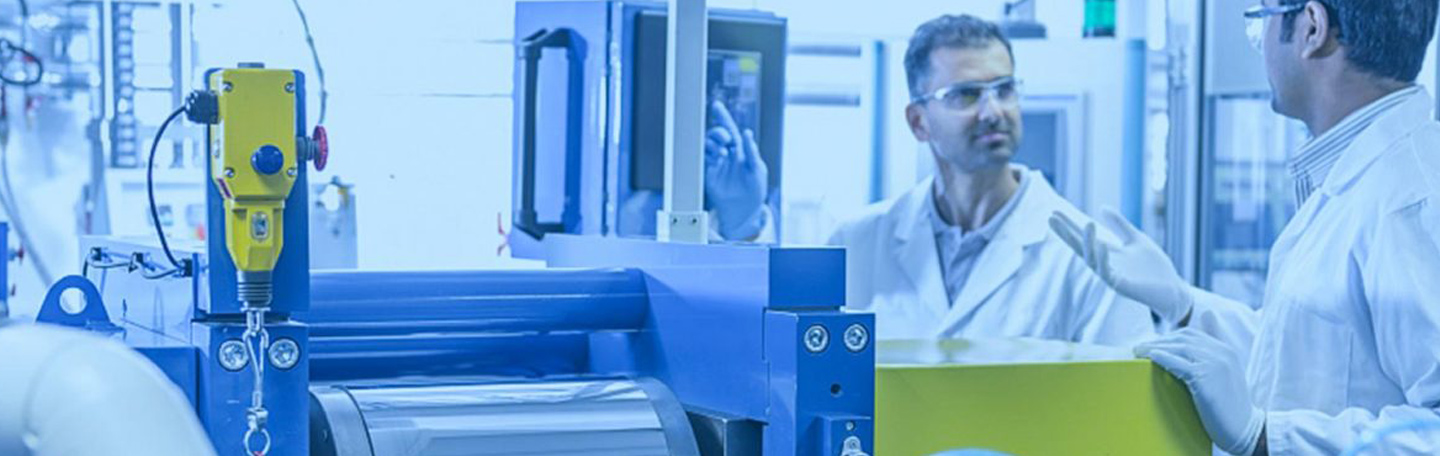
Building facade materials are constantly exposed to the natural environment, requiring them to withstand multiple challenges including acid rain erosion, coastal salt spray, industrial atmospheric corrosion, UV aging, and cyclical temperature and humidity changes. Insufficient corrosion resistance can lead to powdering, discoloration, rust, and perforation within three to five years, not only increasing maintenance costs but also directly impacting building safety and aesthetic lifespan. Corrosion-resistant construction aluminum coils were developed to address this engineering challenge—using the inherent passivation and corrosion resistance of aluminum alloys as a base, combined with a high-performance weather-resistant coating system, forming a dual corrosion barrier. This makes them the mainstream facade material choice for contemporary public buildings, industrial plants, and coastal projects. BCM Aluminum has deep expertise in weather-resistant aluminum material research and development, constructing an integrated alloy-coating corrosion-resistant system to provide long-lasting weather-resistant solutions for building projects in various climate zones worldwide.
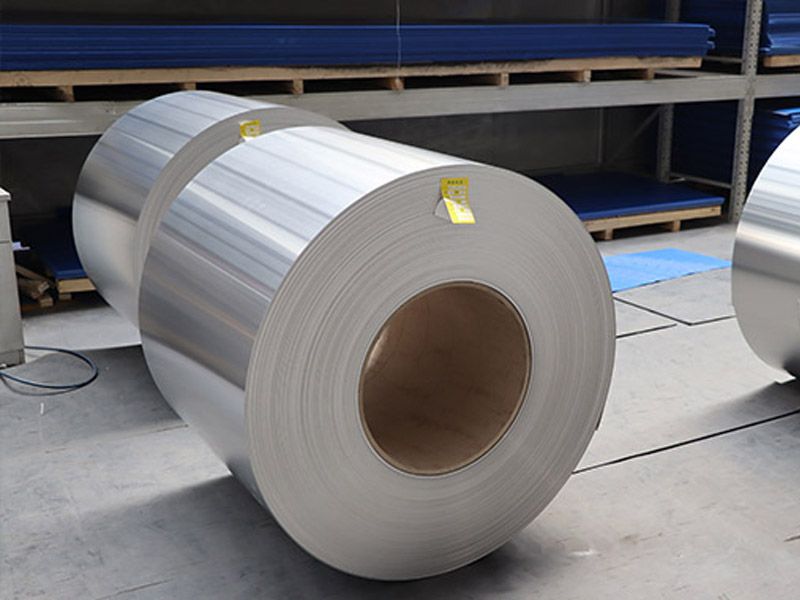
The first line of defense against corrosion comes from the selection of the aluminum alloy substrate itself. BCM corrosion-resistant construction aluminum coils cover three major corrosion-resistant alloy systems, adaptable to different corrosion levels.
3003 aluminum-manganese alloy is a standard choice in the construction industry. The dispersed strengthening phase formed by manganese significantly enhances its resistance to atmospheric corrosion, achieving over 500 hours of neutral salt spray testing, making it suitable for typical inland urban environments.
3004 alloy, based on 3003, increases manganese content and adds magnesium, simultaneously enhancing strength and corrosion resistance, with superior resistance to stress corrosion cracking, making it suitable for large-span roofs and high wind pressure areas.
5052 aluminum-magnesium alloy is the preferred choice for highly corrosive environments. Magnesium provides a denser oxide passivation film, exhibiting outstanding resistance to salt spray and marine atmospheric corrosion, exceeding 1000 hours of neutral salt spray testing, making it the preferred substrate for coastal buildings and chemical plants.
All three alloys are supplied in H14/H24 semi-hard condition, balancing forming toughness and structural flatness, suitable for bending, rolling, stamping, and other construction processing techniques.
The coating system is the second core line of defense for corrosion resistance in construction aluminum coils. BCM offers three-level coating solutions based on weather resistance ratings, all conforming to relevant AAMA and ASTM standards.
Polyester (PE) coating is the basic grade, with a dry film thickness ≥16μm, adhesion grade 0, T-bend ≤2T, and color retention of 5-8 years in indoor and light outdoor environments, suitable for interior decoration and temporary buildings. High-weather-resistant polyester (HDP) coating is the advanced grade, with a dry film thickness of 20–25μm, added UV-absorbing groups, and an outdoor color retention of 10-15 years, significantly improved acid rain resistance and anti-chalking ability, suitable for ordinary industrial plants and municipal buildings.
Fluorocarbon PVDF coating is the highest grade, using a formula with over 70% fluorocarbon resin, a dry film thickness ≥25μm, pencil hardness ≥2H, and no abnormalities after over 2000 hours of neutral salt spray testing. It offers outdoor weather resistance and color retention of up to 25-30 years, fully meeting the AAMA 2605 high-end curtain wall standard, and is the standard solution for coastal areas with high salt spray, heavy industrial pollution areas, and landmark buildings.
Dimensional accuracy and batch consistency also affect the corrosion resistance reliability of building projects. BCM corrosion-resistant aluminum coils are available in standard thicknesses ranging from 0.4mm to 1.5mm, with custom widths from 50mm to 1600mm. Thickness tolerance is consistently controlled within ±0.02mm, and panel flatness is ≤2mm/m, ensuring tight seams after roll forming and preventing rainwater leakage and crevice corrosion caused by panel warping. Each batch of products comes with complete reports on coating thickness, adhesion, salt spray testing, and color difference detection. Color difference within the same batch is ΔE ≤1.0, guaranteeing visual uniformity for large-area curtain wall splicing.
From inland cities to coastal industrial zones, from ordinary factories to landmark curtain walls, the corrosion resistance of construction aluminum coils directly determines the total life-cycle cost of a project. BCM Aluminum provides global architectural clients with quantifiable and traceable long-lasting weather-resistant aluminum materials through triple guarantees in alloy selection, coating processes, and quality control systems, enabling facades to withstand the dual challenges of time and the environment.